


Uganda passes gambling tax reform bill as part of 2026/27 revenue package
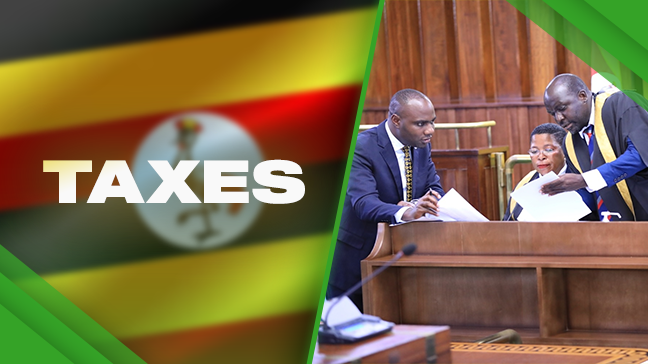
Uganda’s Parliament has passed the Lotteries and Gaming (Amendment) Bill, 2026, approving a restructuring of gambling taxation as part of the wider set of revenue measures designed to help finance the country’s 2026/27 national budget.
Uganda’s Parliament approved the bill on 23 April 2026 during the same sitting in which lawmakers also passed the Income Tax (Amendment) Bill, 2026 and other tax measures linked to budget financing. Parliament’s own report said both the income-tax and lotteries-and-gaming amendments were intended to raise revenue for the 2026/27 financial year, while the budget itself was later approved at Shs84.3 trillion, with Shs44.18 trillion expected to come from domestic revenue.
The core gambling change is a tax harmonisation measure. The bill amends the Lotteries and Gaming Act to apply a 30% tax on “the total amount of money staked less the payouts” for a betting or gaming activity, replacing the previous split approach under which betting and gaming were taxed differently. The bill also adds a formal definition of “payouts” to include the gross amount of money, or the fair market value of a non-monetary prize, transferred or credited to a player as a result of a winning outcome.
The bill itself states that the measure is meant to harmonise the tax rate across betting and gaming, and it sets 1 July 2026 as the commencement date. Parliament, in its summary of the sitting, said the reform would harmonise tax rates across the gaming sector and standardise the treatment of gambling activities, underscoring that Kampala is aiming for a more uniform tax framework rather than a piecemeal one.
The gambling bill also sits alongside a second, related tax change affecting players. The Income Tax (Amendment) Bill, 2026, which Parliament passed in the same sitting, provides for a 15% withholding tax on winnings from betting or gaming, defined as the difference between the payout and the staked amount, while exempting winnings paid by a licensed national lottery operator. Taken together, the two bills show that Uganda is tightening its gambling tax framework on both the operator side and the player side as fiscal pressure increases ahead of the new budget year.
In practical terms, the reform signals a more aggressive revenue-driven approach to gambling policy in Uganda. The government is not simply adjusting one gaming levy in isolation; it is folding the sector more tightly into its broader domestic revenue strategy for 2026/27. If the passed bills proceed to final enactment on the timetable now set out, the market will enter the next fiscal year under a significantly heavier and more standardised tax regime.
Share

-
 GameBeat Launches 3 Joker Crowns: Three ...GameBeat has released 3 Joker Crowns, a ...October 18, 2026
 -
 Brazil Betting Ban Faces Supreme Court D...Brazil's Supreme Federal Court may postp...October 19, 2026
 -
 Premier League Matchweek 6: Manchester C...The Premier League returned after a thre...October 18, 2026


