


South Korean tourism groups push back against proposed casino reforms
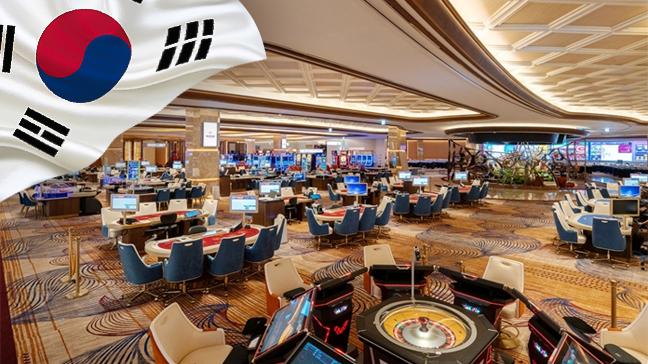
Leading casino, hotel, travel and tourism organisations have urged South Korea’s government to withdraw plans for five-year casino licence reviews and a higher contribution ceiling for the national tourism fund, warning that the measures could discourage investment and place jobs at risk.
Twelve organisations representing South Korea’s casino and wider tourism sectors have jointly opposed regulatory changes being considered by the Ministry of Culture, Sports and Tourism. The coalition includes the Korea Casino Association, Korea Tourism Association, Korea Hotel Association and Korea Association of Travel Agents, alongside organisations linked to the meetings, incentives, conferences and exhibitions sector.
The groups are challenging proposals that would introduce five-year renewal reviews for foreigner-only casino licences and raise the maximum contribution to the Tourism Promotion and Development Fund from 10% to 15% of gaming revenue. The government is also considering a prior-approval requirement for transfers of casino operating rights or changes involving controlling shareholders. The measures remain under development and have not yet been implemented.
Industry representatives argue that casino operators already make tourism fund payments based on revenue rather than profit, meaning contributions remain payable even when a property records an operating loss. According to the joint statement, approximately half of South Korea’s casino operators have reported operating losses in individual years during the past decade, leaving smaller businesses particularly exposed to any additional financial burden.
The coalition also warned that renewable five-year licences could reduce legal and financial certainty for integrated resorts. These developments often require investments of hundreds of billions or even trillions of won and may need many years to generate returns. Tourism groups believe that regular uncertainty over the continuation of a casino licence could make it more difficult to secure financing, attract foreign capital and approve new resort projects.
Representatives of existing resorts raised similar concerns during an industry policy discussion held at the Korea Press Center in Seoul on August 4. Inspire Entertainment Resort said that a heavier contribution burden could reduce its ability to reinvest casino revenue in entertainment, cultural attractions and tourism infrastructure. Lotte Tour Development also warned that the policy debate was already creating concern among lenders and investors.
The Ministry of Culture, Sports and Tourism has rejected the suggestion that every operator would immediately pay a flat 15% rate. It said the government is considering a new progressive revenue band under which the higher rate would apply only to income above a yet-to-be-determined threshold. Detailed brackets would be established following consultation with casino operators, academics and other stakeholders.
The ministry has also defended the revenue-based contribution model, noting that casino levies in major international markets are commonly calculated from gaming revenue rather than operating profit. It said money collected through the Tourism Promotion and Development Fund supports tourism marketing, regional projects, workforce development and financing programmes available to tourism businesses. According to the ministry, casino operators received approximately KRW91.5 billion in operating loans from the fund between 1998 and 2025.
Officials additionally insist that the proposed five-year system would not amount to a completely new licensing competition. Instead, operators would be periodically assessed on their continued compliance with licence conditions, financial stability and management capability. The ministry has indicated that existing businesses would receive a transition period before the revised system took effect.
The dispute reflects a broader disagreement over the future of South Korea’s foreigner-only casino market. Tourism organisations see integrated resorts as major sources of employment, international visitors and private investment, while the government argues that a limited and highly regulated industry should face regular oversight and make an appropriate contribution to public tourism development.
The final impact will depend heavily on the detailed contribution thresholds and the criteria used for licence reviews. A system perceived as unpredictable could weaken investment, but a transparent framework with proportionate financial requirements may provide stronger oversight without undermining the competitiveness of South Korea’s tourism industry.
Share

-
 Affiliate Leaders Summit to Examine the ...The Affiliate Leaders Summit 2026 will e...September 20, 2026
 -
 Kenya Moves Closer to Launching National...Kenya's National Lottery Board has outli...September 20, 2026
 -
 Buenos Aires Lawmakers Push Comprehensiv...Lawmakers in Buenos Aires Province are r...September 19, 2026


