


Scam networks add urgency to Sri Lanka’s gambling regulation push
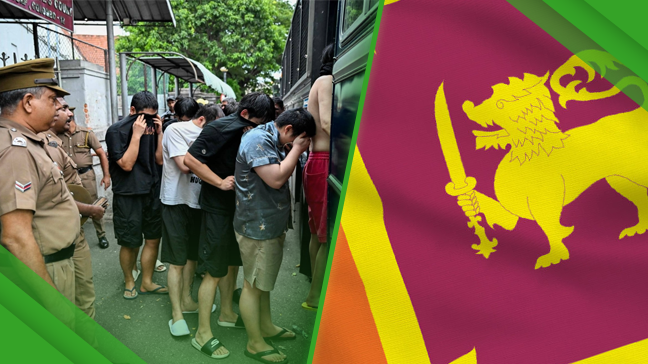
Sri Lanka is preparing to make its new Gambling Regulatory Authority fully operational by 30 June 2026, as concerns grow that foreign cybercrime and scam networks could exploit gaps in the country’s gaming, payments and compliance systems.
Sri Lanka’s effort to modernise gambling regulation is gaining urgency as authorities face rising concern over foreign scam networks and illegal online activity. The country’s new Gambling Regulatory Authority is expected to be operational by 30 June 2026, with a mandate covering licensing, compliance, revenue protection and financial-crime controls in the gambling sector.
The legal foundation is already in place. Sri Lanka’s Gambling Regulatory Authority Act, No. 17 of 2025, was certified on 3 September 2025 and provides for the establishment of an independent authority to regulate and control gambling activities. The Act also lists key objectives such as ensuring revenue collection, transparency, responsible gambling, prevention of unlawful activity, protection of children and preventing gambling-related activity from being misused to launder proceeds of crime.
The timing is important because Sri Lanka is also preparing for closer international scrutiny on anti-money laundering and counter-terrorism financing. In February 2026, the government held a special discussion on the country’s third mutual evaluation on AML/CFT standards, noting that FATF recommendations assess legal frameworks, resources, implementation and institutional capacity.
The GRA is therefore expected to play a role beyond ordinary casino licensing. Its powers include issuing, renewing, suspending and cancelling gambling licences, registering gambling premises, establishing compliance rating systems and issuing rules on measures to prevent money laundering, terrorism financing and other financial risks.
At the same time, scam networks are becoming a more visible security issue. Sri Lankan police have said more than 1,000 foreign nationals, mainly from China, Vietnam and India, have been arrested over alleged cybercrime activities since the beginning of 2026, compared with 430 arrests in all of 2024. Authorities believe some syndicates pushed out of Cambodia and Myanmar are moving operations to Sri Lanka, attracted by the country’s relaxed visa regime and reliable internet infrastructure.
This creates a difficult backdrop for Sri Lanka’s gaming ambitions. The country is trying to develop a regulated gambling sector that can support tourism, investment and tax revenue, but weak oversight of online activity, foreign operators and payment flows could expose the market to reputational and financial-crime risks. Industry reporting has also noted that online gambling remains a major grey area in Sri Lanka, with many local users relying on unregulated offshore betting platforms.
For operators and investors, the message is clear: Sri Lanka’s next regulatory phase will likely be shaped as much by AML and CTF compliance as by licensing and taxation. If the GRA becomes operational on schedule and receives sufficient technical capacity, it could help separate legitimate gaming investment from cybercrime-linked activity. If implementation is delayed or weak, scam networks may further complicate the country’s attempt to build a credible regulated gambling market.
Share

-
 South Africa’s Content Market Is Crowded...South Africa’s gambling market continues...October 22, 2026
 -
 SOFTSWISS Group CSO Wins Top Global CISO...SOFTSWISS Group Chief Security Officer E...October 22, 2026
 -
 BF Games Puts Juicy Booster in the Spotl...BF Games has showcased Juicy Booster thr...October 22, 2026


