


Paraguay’s gaming sector reaches turning point under new competitive regulatory model
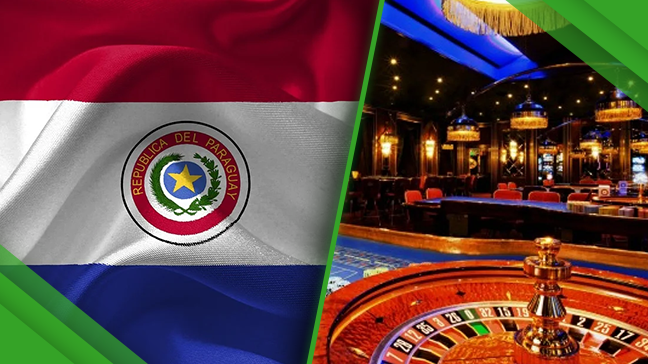
Paraguay is dismantling its long-standing gambling monopoly and rolling out a new regulatory structure that brings CONAJZAR under the tax authority, formally recognises digital betting and aims to turn one of Latin America’s smaller markets into a transparent, investment-friendly sector.
Paraguay’s gambling industry is entering a new phase in 2025 as a package of reforms reshapes how games of chance are licensed, supervised and taxed. At the heart of the overhaul is Law 7438/2025, which amends and expands the older Law 1016/1997 and replaces the historic single-operator model with controlled competition. The law, together with Decree 3846/2025, breaks the monopoly over concessions for products such as lotteries, “quiniela” and sports betting, allowing up to three licensed operators per game type under clearly defined conditions.
Institutionally, the reform repositions the National Gambling Commission (CONAJZAR) as a decentralised body under the National Directorate of Tax Revenue (DNIT). DNIT takes a strategic lead on fiscal policy and rule-making, while a newly created General Directorate of Games of Chance acts as the technical arm in charge of licensing procedures, compliance monitoring, data collection and day-to-day enforcement. CONAJZAR’s board is being expanded to include representatives from tax authorities, regional and municipal governments, the Interior Ministry and social-welfare agencies, with the explicit goal of tightening coordination and strengthening the fight against illegal gambling.
From a market-development perspective, the new framework is designed to align regulation with the reality of a rapidly digitising industry. The law explicitly recognises online channels and updated lottery formats, while the decree sets minimum distance requirements between gambling venues and educational institutions and imposes new technical standards for gaming systems and real-time reporting. Regulators stress that these tools should improve transparency, reduce regulatory gaps and give them stronger powers to seize unlicensed machines and close illegal operations.
Early financial results suggest the shift is already changing the scale of the regulated market. According to recent figures from CONAJZAR, fees collected between January and November 2025 reached nearly PYG 198bn (about USD 28.7m), surpassing the previous full-year record of roughly PYG 176bn in 2024. Officials and industry stakeholders attribute this momentum to tighter control of concessions, better tax collection and the integration of the regulator with DNIT – and some analysts believe revenues could eventually double as compliance and channelisation improve under the new model.
Yet experts warn that the real test lies ahead. Javier Balbuena, former CONAJZAR president and now director at Gaming Consultores, has described the reform as one of the most significant shifts in Paraguay’s gambling policy in a decade but emphasises that its success will depend on execution. With multiple operators per product, regulators must design robust tender criteria, prevent bureaucratic overlap between agencies and maintain enough technical capacity to police both land-based and digital segments. Only once the new system has been in place for a full cycle, Balbuena argues, will Paraguay know whether this turning point has delivered on its promise of a more modern, competitive and socially responsible gaming industry.
Share

-
 Brazil Blocks More Than 66,000 Illegal B...Brazil's Secretariat of Prizes and Betti...September 15, 2026
 -
 SBC Summit’s Web3 & Crypto Academy to Ex...SBC Summit will move beyond the hype sur...September 16, 2026
 -
 Mancala Gaming Launches Clover Vault: Pr...Mancala Gaming introduces Clover Vault: ...September 15, 2026


