


Over 2,000 Ugandans Self-Exclude from Betting as NLGRB Pushes Responsible Gaming
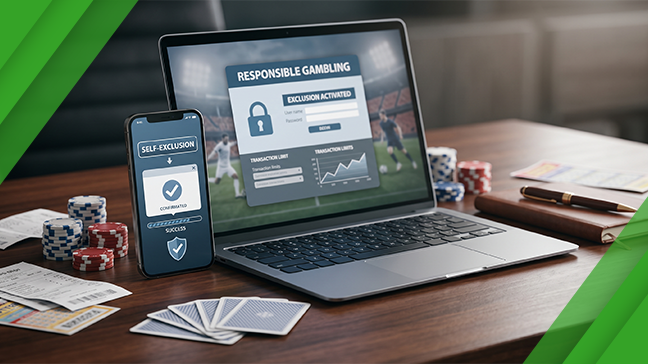
Uganda’s gambling regulator says thousands of players are already using self-exclusion tools, highlighting both the rapid growth of digital betting and the rising importance of consumer protection in the country’s gaming market.
More than 2,000 Ugandans have voluntarily self-excluded from betting platforms, according to reports linked to the National Lotteries and Gaming Regulatory Board’s responsible gaming efforts. The figure marks an important shift in Uganda’s gambling market, where player-protection tools are becoming a central part of regulation rather than a secondary compliance requirement.
The self-exclusion mechanism allows players to block themselves from gambling platforms for a selected period, ranging from several weeks to months. It is designed for individuals who believe their betting behaviour is becoming difficult to control or is creating financial, social or emotional harm.
The growth of self-exclusion comes as Uganda’s gambling sector continues to expand rapidly, especially online. Digital betting has become the dominant form of gaming activity in the country, driven by mobile phones, online accounts and digital payments. This has made betting more accessible, but it has also created new risks for players who can now place bets at any time without visiting physical betting shops.
The National Lotteries and Gaming Regulatory Board has positioned responsible gaming as a core part of its mandate. Its programme includes public awareness, education, research, treatment, counselling and partnerships with health, education and law-enforcement bodies. The regulator has also encouraged licensed operators to provide practical tools such as deposit limits, loss limits, time limits and self-exclusion options.
According to regulator-linked comments, the number of people choosing self-exclusion is being viewed as a positive sign. It suggests that some players are becoming more aware of gambling-related risks and are willing to take action before betting develops into a more serious problem.
The issue is especially important in Uganda because of the scale of market growth. Gaming revenue has increased sharply in recent years, while industry turnover has moved into the trillions of shillings. The National Central Electronic Monitoring System has also improved real-time oversight of gaming transactions, giving the regulator stronger visibility over the sector.
At the same time, Uganda continues to fight illegal gambling. The NLGRB has carried out enforcement campaigns against unlicensed websites and illegal gaming machines, arguing that operators outside the regulated system expose consumers to fraud, addiction risks and unfair practices while also reducing government revenue.
For licensed operators, the rise in self-exclusion requests signals a more demanding compliance environment. Betting companies are expected not only to follow licensing rules, but also to demonstrate that they can identify risky behaviour, support vulnerable players and apply exclusion measures effectively across digital channels.
Uganda’s approach shows how African regulators are increasingly moving beyond licensing and taxation alone. As betting becomes more mobile, faster and easier to access, responsible gaming tools are becoming essential infrastructure for regulated markets. The key test for Uganda will be whether self-exclusion, monitoring and enforcement can keep pace with the continued expansion of online betting.
Share

-
 Brazil Blocks More Than 66,000 Illegal B...Brazil's Secretariat of Prizes and Betti...September 15, 2026
 -
 Mancala Gaming Launches Clover Vault: Pr...Mancala Gaming introduces Clover Vault: ...September 15, 2026
 -
 BF Games Heads to SBC Summit Lisbon 2026...BF Games will attend SBC Summit Lisbon 2...September 15, 2026


