


Mashatile denies influence claims in South Africa’s R180bn lottery licence dispute
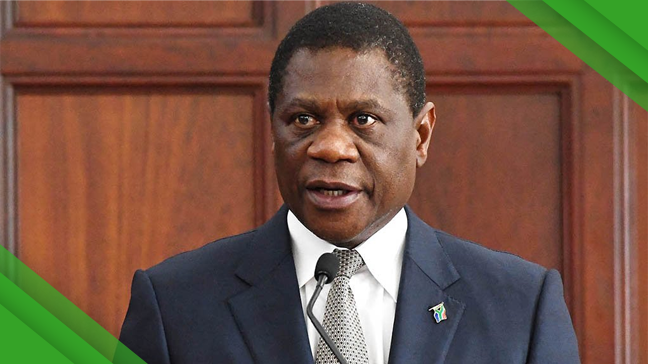
South Africa’s deputy president Paul Mashatile has rejected allegations that people linked to him benefited from political influence in the award of the country’s fourth national lottery licence, as scrutiny of the R180bn tender continues.
South Africa’s deputy president Paul Mashatile has denied allegations that associates connected to him used political influence to benefit from the award of the country’s fourth national lottery licence. The dispute centres on the eight-year licence awarded to Sizekhaya Holdings, a contract widely reported to be worth around R180bn, or about €9.1bn, over its full term.
Mashatile addressed the issue during a National Assembly question-and-answer session, rejecting claims that his personal relationships or family connections had played any role in the tender outcome. He said his friends and people who know him should not automatically be treated as criminals or excluded from doing business because of their association with him.
The controversy intensified after investigative reports linked Sizekhaya’s shareholder structure to people close to Mashatile. AmaBhungane reported that Bellamont Gaming, one of the companies connected to Sizekhaya, is co-owned and co-directed by Khumo Bogatsu, the twin sister of Mashatile’s wife, and businessman Moses Tembe, who chairs Sizekhaya. These links have fuelled questions over whether political proximity may have influenced the licensing process.
Sizekhaya has also denied wrongdoing. In court papers opposing a challenge from rival bidder Ithuba, the consortium reportedly argued that media reports about political links do not prove any breach of bidding rules or the Lotteries Act. Ithuba has pursued legal action seeking to halt the handover and review the licence decision, citing alleged irregularities and potential conflicts of interest.
The National Lotteries Commission has told Parliament that the fourth national lottery licence followed a competitive bidding process. Parliament’s Trade, Industry and Competition Committee also noted that, under the Lotteries Act, the minister must be satisfied that no political party or political office-bearer has a direct financial interest in the applicant or its shareholders. The minister indicated that legal advice was sought and that he was satisfied with the outcome.
However, the issue remains politically sensitive. Trade, Industry and Competition Minister Parks Tau has previously instructed the NLC to examine fresh allegations of political connections linked to Sizekhaya, while opposition parties have continued to question the transparency of the award.
For South Africa’s lottery sector, the dispute is about more than one licence. The national lottery is one of the country’s most valuable regulated gambling assets, and public confidence depends on the perception that tenders are free from political influence. Mashatile’s denial may reduce some immediate political pressure, but the final test will be whether investigations and court processes can clearly demonstrate that the award was lawful, transparent and free from conflicts of interest.
Share

-
 Tech Race Summit Unites 1,500 iGaming an...Tech Race Summit 2026 brought iGaming an...September 14, 2026
 -
 Kenya Arbitrage Betting Weekly Report: S...WorkBet statistics for September 7-13, 2...September 14, 2026
 -
 Gaming in Spain Conference announces age...With far-reaching regulatory innovations...September 14, 2026


