


Macau police break up cross-border laundering gang tied to illegal casino money exchange
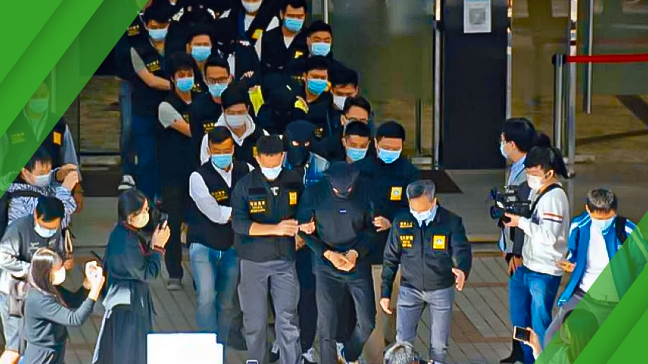
Macau’s Judiciary Police say they have dismantled a cross-border criminal network that laundered at least CNY45.6m through underground currency exchange operations linked to casino gamblers, in a case that highlights the continuing overlap between illicit gambling channels and wider fraud proceeds in the city’s gaming economy.
The case was presented at a Judiciary Police press briefing on Friday, where investigators said the syndicate had been operating in Macau since January 2025 and had used unlicensed foreign-exchange services aimed at gamblers to wash at least CNY45.6m, or about $6.7m, over a period of at least four months. Police said the group’s direct profit from the scheme was around CNY2.5m.
The enforcement action was carried out jointly with mainland authorities and resulted in 65 arrests. Reports citing the police briefing say 25 suspects were detained in Macau, while the rest were arrested in Zhuhai and Guangxi, with three alleged masterminds among those taken into custody on the mainland side. Authorities say the network was linked to telecom fraud and other criminal activity, using gambling-linked exchange transactions to move dirty money into mainland bank accounts.
According to investigators, syndicate members approached gamblers in the NAPE and Cotai areas and offered attractive exchange rates for converting Hong Kong dollars or casino chips into renminbi. But instead of simply providing informal exchange services, the group allegedly channelled criminal proceeds through those transactions, exposing some recipients to frozen mainland bank accounts and possible scrutiny from law-enforcement authorities. Police also said forged identification documents and fake transfer records were used to build trust with victims.
The case matters because Macau has been tightening its legal response to illegal gambling-related exchange activity. Law No. 20/2024, the territory’s Law to Combat Crimes of Illegal Gambling, took effect on 29 October 2024 and specifically established a sanctioning regime for illegal gambling and related illicit acts, including the criminalisation of unauthorised currency exchange for gambling purposes.
For Macau’s market, this is more than a straightforward money-laundering case. It shows that illegal exchange channels around casinos remain a practical gateway for cross-border criminal finance even after the latest legal crackdown. If investigators can prove the full structure described at the briefing, the case will reinforce the view that enforcement in Macau is no longer focused only on gambling offences themselves, but increasingly on the financial infrastructure that supports them.
Share

-
 SBC Summit’s Web3 & Crypto Academy to Ex...SBC Summit will move beyond the hype sur...September 14, 2026
 -
 Global Esports Federation Chief Visits K...Global Esports Federation President and ...September 12, 2026
 -
 Nigerian Bookmakers and African iGaming ...The Association of Nigerian Bookmakers a...September 12, 2026


