


Kenya’s gambling regulator opposes return of 20% winnings tax
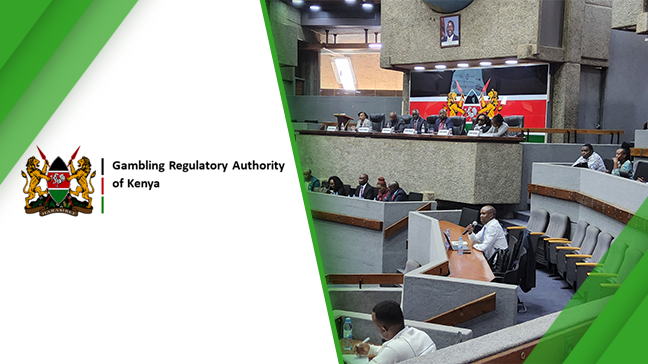
Kenya’s Gambling Regulatory Authority has pushed back against the proposed return of a 20% withholding tax on gambling winnings, warning that heavier taxation could undermine the regulated market and drive players toward illegal or offshore operators.
Kenya’s Gambling Regulatory Authority has opposed the proposed return of a 20% withholding tax on gambling winnings under the Finance Bill 2026. The proposal forms part of a wider set of tax amendments currently before Parliament and would apply to winnings from licensed betting, gaming, lottery and prize-competition operators.
The Finance Bill 2026 proposes reintroducing a 20% withholding tax on winnings for both residents and non-residents. Legal analysis of the bill says the measure would reverse part of the Finance Act 2025 tax shift, which moved Kenya toward a 5% tax model on betting and gaming wallet withdrawals. The bill also proposes to define “winnings” as a payout from a licensed operator, excluding the amount staked or wagered.
The GRA’s concern is that a sharp return to a 20% tax could make licensed platforms less attractive to players at a time when Kenya is trying to strengthen formal regulation of the sector. Higher deductions from payouts may reduce player participation in legal channels and push some users toward unlicensed betting sites, especially offshore platforms that do not follow local tax, consumer-protection or responsible-gambling rules.
The debate comes only months after Kenya changed its betting tax structure. Under the 2025 framework, the previous 20% tax on net winnings was replaced by a 5% withholding tax on withdrawals from betting and gaming wallets, creating a new system that taxed cash-outs rather than only profitable outcomes. That model was already controversial because it could apply even when a player withdrew their own deposited funds.
The Finance Bill 2026 now risks creating a layered tax structure. If the proposed 20% winnings tax is added alongside existing taxes on deposits or withdrawals, operators may need to redesign systems for separating stakes, net winnings and withdrawals. Players may also face a heavier effective tax burden, depending on how the final law defines and applies each taxable point.
The proposal is still under public participation. Kenya’s National Assembly invited the public and stakeholders to submit memoranda on the Finance Bill 2026 to the Departmental Committee on Finance and National Planning, with written submissions due by May 25 at 5pm. The process is being conducted under constitutional public-participation requirements.
The tax debate also comes as the GRA is trying to operationalise Kenya’s new Gambling Control Act, 2025. The regulator’s website lists draft 2026 regulations covering licensing, conduct of gambling operations, advertising, the national lottery, foreign-facing operators and the Gambling Appeals Tribunal, showing that Kenya is already in the middle of a broader regulatory transition.
For Kenya’s gambling market, the dispute is not only about tax collection. It is about the balance between public revenue, channelisation and consumer protection. A 20% winnings tax could raise more money at source, but if it weakens the appeal of licensed operators, the government may lose visibility over betting activity. The final decision will show whether Kenya prioritises immediate tax revenue or a more stable regulated market with stronger long-term oversight.
Share

-
 Tech Race Summit Unites 1,500 iGaming an...Tech Race Summit 2026 brought iGaming an...September 14, 2026
 -
 Kenya Arbitrage Betting Weekly Report: S...WorkBet statistics for September 7-13, 2...September 14, 2026
 -
 Gaming in Spain Conference announces age...With far-reaching regulatory innovations...September 14, 2026


