


Eswatini Targets Third-Quarter Tabling of Long-Awaited Gaming Act Regulations
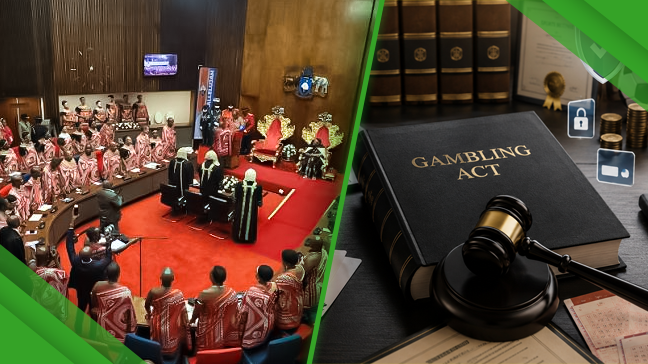
Eswatini is preparing to move its long-awaited Gaming Act Regulations to Parliament in the third quarter, a step expected to bring clearer rules for operators, stronger player protection and tighter control over online and land-based gambling activity.
The government of Eswatini is aiming to table the long-awaited Gaming Act Regulations in the third quarter, marking a key step in the country’s effort to modernise gambling oversight and close long-standing gaps in enforcement.
The regulations are designed to operationalise the Gaming Act, 2022, which provides the legal basis for supervision of the sector. While Eswatini already has a regulated gambling market, industry participants and lawmakers have repeatedly warned that the absence of finalised regulations has left important areas unclear, especially licensing procedures, online gambling controls, player protection and compliance monitoring.
The Ministry of Tourism and Environmental Affairs has said it is working with several government bodies to finalise the framework. The Ministry of Finance is expected to contribute on revenue collection and financial reporting, while the Ministry of Commerce, Industry and Trade will focus on business compliance. The Ministry of Information, Communication and Technology is also involved, particularly in relation to surveillance tools, personal data handling and digital restrictions designed to prevent unauthorised users, including minors, from accessing gambling services.
One of the most important areas in the draft regulations is responsible gambling. Licensed operators have already raised concerns over self-exclusion rules, especially the lack of a fixed period for how long a player should remain barred after requesting exclusion. Operators say the absence of a clear timeframe creates practical problems when customers ask to be excluded and then attempt to return shortly afterwards.
Under the proposed framework, the Gaming Board would manage a central self-exclusion register and notify operators when an individual has been placed on it. Players who are excluded but still enter gambling premises or participate in gaming activities could face penalties, including fines or imprisonment. This would give operators a clearer enforcement basis and shift self-exclusion from a venue-by-venue decision to a more coordinated national system.
The regulations are also expected to address online gambling, a growing concern for authorities because digital betting can take place beyond the physical boundaries of licensed venues. The ministry has indicated that the new framework should help government collect financial data in real time, improve revenue forecasting and strengthen domestic revenue collection from gaming activities.
The timing is important for Eswatini’s gambling market. Lawmakers have previously called for a freeze on new gambling licences until the regulations are completed, citing concerns over addiction, child participation in betting and the expansion of gambling before a full compliance framework is in place.
Recent enforcement cases have added urgency to the process. Authorities have investigated suspected illegal gambling activity, including the discovery of unauthorised gaming equipment at hotel premises. Such cases have underlined the need for clearer rules on who may own, install and operate gaming machines, and how the Gaming Board should respond to breaches.
For licensed operators, the tabling of the regulations could bring both greater certainty and higher compliance obligations. Clearer rules may make licensing, renewals and enforcement more predictable, but operators should also expect stricter reporting requirements, stronger player-protection duties and closer scrutiny of digital systems.
If the third-quarter target is met, Eswatini could move from a partially defined gambling framework toward a more structured regulatory model. The key test will be whether the final regulations balance market growth with credible safeguards on addiction, minors, data protection, revenue transparency and illegal gambling.
Share

-
 Tech Race Summit Unites 1,500 iGaming an...Tech Race Summit 2026 brought iGaming an...September 14, 2026
 -
 Kenya Arbitrage Betting Weekly Report: S...WorkBet statistics for September 7-13, 2...September 14, 2026
 -
 Gaming in Spain Conference announces age...With far-reaching regulatory innovations...September 14, 2026


