


Brazil’s Gambling Crackdown Puts Pressure on South Africa to Act
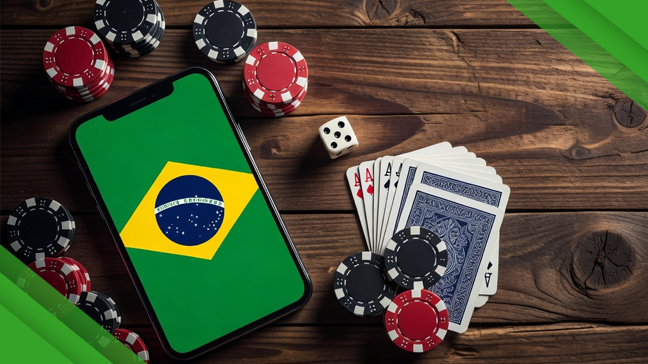
Brazil’s crackdown does not provide a perfect blueprint, but it does show where modern gambling enforcement is heading. In a digital market, illegal operators are difficult to stop by focusing only on the website.
The stronger lever is the network that supports them. For South Africa, the pressure to act is growing as illegal online gamblBrazil’s decision to target payment channels, financial institutions and advertising around illegal betting is increasing pressure on South Africa to move beyond public warnings and take stronger action against unlicensed online gambling platforms.
Brazil’s latest crackdown on illegal betting is putting renewed pressure on South Africa to strengthen its own response to unlicensed online gambling.
The Brazilian Ministry of Finance has moved to make financial institutions, payment companies and commercial promoters part of the enforcement chain. Under Portaria MF nº 1.766, banks, payment institutions and payment scheme providers may be held jointly liable when they continue to process transactions for unauthorised fixed-odds betting operators after receiving formal notification from the authorities.
The measure also extends responsibility to individuals and companies that advertise or commercially promote illegal betting platforms. This means that affiliates, influencers, media companies and other marketing partners may face consequences if they help unlicensed operators reach Brazilian consumers.
Brazil’s approach shows a clear shift in enforcement strategy. Instead of focusing only on blocking websites or warning consumers, the government is targeting the infrastructure that allows illegal operators to function: payment rails, advertising channels and commercial partnerships. Without access to deposits, withdrawals and visibility, offshore or unauthorised platforms become much harder to sustain.
That model is now attracting attention in South Africa, where regulators are facing a similar challenge. The National Gambling Board has warned the public about a growing number of illegal online gambling scam platforms and fake betting applications targeting South Africans, especially around major sporting events such as the 2026 FIFA World Cup.
The NGB has already taken consumer-facing steps. It has launched a Verified Gambling Operators Web Portal, giving the public access to a consolidated list of legal and licensed gambling operators in South Africa. It has also repeatedly warned consumers that illegal gambling platforms may refuse to pay winnings, misuse personal information, imitate licensed bookmakers or pressure victims into additional payments before withdrawals.
However, Brazil’s move raises a broader policy question for South Africa: are warnings and verification tools enough when illegal operators can still reach consumers through social media, digital advertising, messaging apps and payment channels?
South Africa’s legal gambling framework already treats online gambling outside authorised sports betting and licensed operators as unlawful. The country also has provincial gambling boards, the NGB, law enforcement structures and mechanisms for forfeiting unlawful winnings. But the enforcement model remains fragmented, and illegal offshore platforms continue to target local players.
Brazil’s example suggests that stronger cooperation with banks, payment providers, telecom companies, app stores, advertising platforms and social media networks may become essential. If illegal operators cannot accept payments, advertise widely or impersonate legal brands online, their access to South African consumers would be significantly reduced.
For licensed operators, stronger enforcement could also help create a fairer market. Legal companies must comply with licensing conditions, tax obligations, responsible gambling rules and consumer protection standards. Illegal operators avoid these costs while competing for the same customers, often through aggressive bonuses and misleading promotional claims.
For consumers, the risk is even more direct. Illegal gambling platforms offer no reliable dispute resolution, no guaranteed payment of winnings and limited protection against fraud. During major events such as the World Cup, these risks increase because criminals use betting excitement to promote fake apps, phishing links and unrealistic promises of easy money.
The question for South Africa is whether it will follow Brazil’s harder line by targeting the financial and advertising ecosystem around illegal gambling. Such a step would require coordination between gambling regulators, banks, payment firms, communications authorities, law enforcement and digital platforms.
ing becomes more visible, more sophisticated and more closely linked to consumer harm.
Share

-
 SOFTSWISS Survey 2026 Exposes a Gap in S...A new survey of 1,000 South African adul...September 17, 2026
 -
 GRAF 2026 Puts AI, Real-Time Monitoring ...Gaming regulators from across Africa hav...September 17, 2026
 -
 Blackjack Live Leads Amusnet’s Showcase ...From September 29 to October 1, Amusnet ...September 17, 2026


