


Brazil updates eFX rules for betting-era payments while maintaining dedicated transaction classification for gaming flows
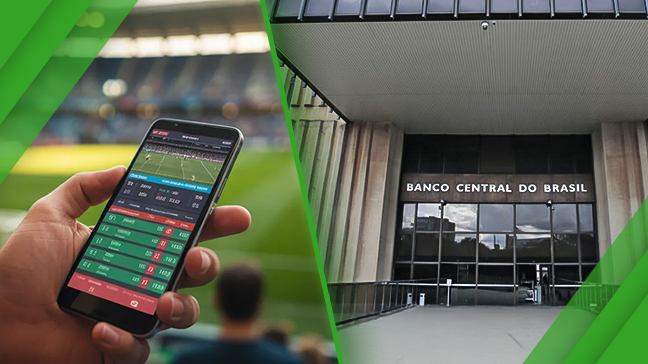
Brazil’s Central Bank has approved a new package of rules for the eFX international payment service, tightening who can operate it and how funds must be handled, while the country’s foreign-exchange framework continues to use a dedicated classification code for “games and bets” transactions.
The fresh regulatory step came on 30 April 2026, when the Banco Central approved Resolution BCB No. 561 to update the rules for eFX, the regulated model used for digital international payments, purchases, withdrawals and transfers. The Central Bank said the reform is meant to improve security, transparency and alignment with international standards for preventing illicit financial activity.
The most immediate practical change is institutional control. According to the Central Bank and Agência Brasil, eFX will now be restricted to institutions authorized by the BCB, while providers not yet authorized may continue temporarily but must seek authorization by May 2027. The same update requires monthly reporting to the Central Bank and the use of segregated accounts for the movement of client funds, showing a clear shift toward tighter compliance around cross-border digital payments.
The reform also broadens the permitted use of eFX. Agência Brasil reported that the updated framework extends the service to investments in financial and capital markets in Brazil and abroad, with a limit of US$10,000 per transaction, while the official norm confirms transitional obligations such as Unicad registration by 30 October 2026 for authorized institutions that provide eFX. In other words, the Central Bank is simultaneously expanding legitimate use cases and strengthening the control architecture around them.
An important accuracy point is that the dedicated betting code is not entirely new in 2026. In the Central Bank’s 2022 foreign-exchange framework, the regulator already created specific codes for “games and bets” flows, stating that the purpose was to improve direct identification of such operations for supervision and statistics. In the annexed classification tables, the eFX code for “jogos e apostas” is 34045, while a broader services code for “jogos e apostas” is 46150.
That matters because Brazil’s fixed-odds betting market is no longer operating in a legal vacuum. The Ministry of Finance says only companies previously authorized by the Secretariat of Prizes and Betting may operate nationally since 1 January 2025, and federally authorized betting sites use the “.bet.br” domain. Against that backdrop, the combination of a dedicated FX classification and stricter eFX governance points to a broader policy objective: making gambling-related financial flows more visible, more traceable and easier to separate from illegal or opaque activity.
Share

-
 Puerto Rico Proposes Online Casino Regul...Puerto Rico's government has introduced ...October 25, 2026
 -
 Bandwidth-Efficient iGaming Distribution...South Africa’s iGaming sector continues ...October 25, 2026
 -
 Endorphina Launches 5 Witch Pots: Hallow...Endorphina has released 5 Witch Pots, a ...October 25, 2026


