


Brazil opens the door to B2B licensing as SPA targets the betting supply chain
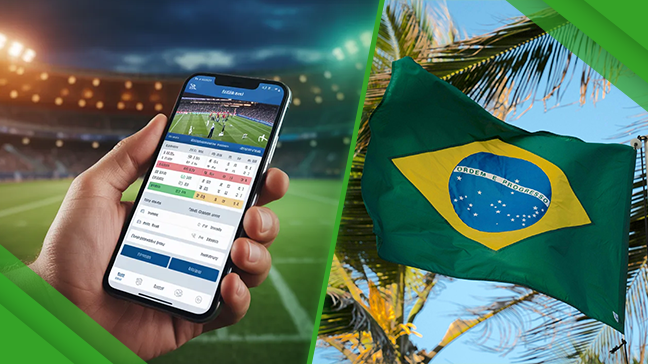
Brazil’s Ministry of Finance has launched a public consultation on draft rules that would require key betting suppliers to be formally recognised by the Prizes and Betting Secretariat, adding a new compliance layer for technology, content and data vendors supporting licensed operators.
Brazil’s Prizes and Betting Secretariat (SPA), under the Ministry of Finance, has opened a public consultation running from 4 February to 23 March 2026 on a draft ordinance designed to regulate the recognition of operational capacity for service providers working with authorised fixed-odds betting operators.
While Brazil’s recent regulatory push has focused heavily on licensing operators, the draft would expand scrutiny to the “supplier layer” by creating a structured framework for providers of essential services. Legal analysis of the consultation text highlights that the scope includes betting systems and platforms, online game supply (including aggregators and live game studios), KYC and player identification tools (including biometrics and geolocation), and sports betting data and statistics services.
If adopted, operators would be expected to work only with suppliers whose capacity is formally recognised by the SPA, with recognition issued via an individual administrative act defining the approved service scope and granted for a set term subject to renewal. The draft also outlines a transition pathway in which suppliers first register and appoint a legal representative in Brazil, then apply for formal recognition, while operators may keep or sign contracts with suppliers whose filings have been accepted during the transition period.
Industry reporting on the draft suggests the government is also considering tighter localisation requirements for foreign suppliers. Coverage of the consultation indicates that overseas providers could apply, but those without a Brazilian presence may need to establish a local subsidiary within 120 days to complete the process, with a wider transition window discussed for suppliers to secure authorisation after the rules enter into force.
For Brazil’s regulated market, the practical message is straightforward: the compliance perimeter is moving beyond operators and into the full supply chain. If the final rules follow the direction of the draft, B2B vendors that want to keep serving licensed brands in Brazil will need to treat regulatory readiness, corporate structuring and documentation as “day one” requirements, not a later-stage upgrade.
Share

-
 Global Esports Federation Chief Visits K...Global Esports Federation President and ...September 12, 2026
 -
 Nigerian Bookmakers and African iGaming ...The Association of Nigerian Bookmakers a...September 12, 2026
 -
 Brazilian Presidential Candidates Split ...Brazil's regulated betting market has be...September 11, 2026


