


Sri Lanka’s Gambling Rules Remain on Hold as Enforcement Questions Persist
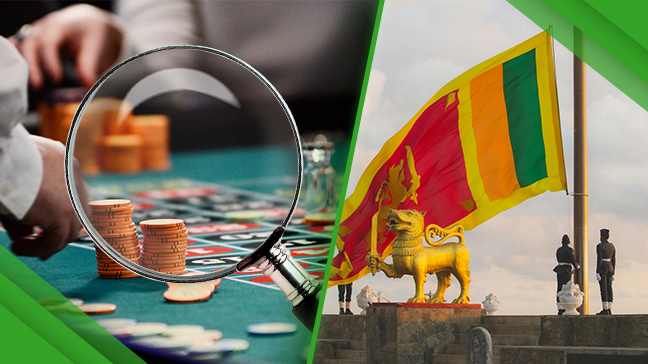
Sri Lanka’s attempt to modernise gambling oversight remains caught between investment ambitions, online-risk concerns and unresolved questions over who will enforce the rules once a fuller regulatory framework is activated.
Sri Lanka’s gambling regulatory framework remains in a state of uncertainty as questions persist over enforcement, online supervision and the practical rollout of new rules for the sector.
The country already has a legal basis for casino activity through the Casino Business (Regulation) Act 2010, but the framework has long been viewed as incomplete for a market that is now moving beyond traditional land-based gaming. The arrival of major integrated-resort investment has increased pressure on authorities to clarify how casinos, online gambling-linked activity, payment flows, advertising and player protection should be monitored.
The issue has become more urgent because Sri Lanka is trying to position itself as a tourism and investment hub while also managing concerns about illegal online gambling, cybercrime and transnational scam networks. For regulators, the challenge is no longer limited to issuing casino licences. It now includes digital enforcement, financial monitoring, player safeguards and coordination between different state agencies.
City of Dreams Sri Lanka has added a new dimension to the debate. The integrated resort, developed in partnership with Melco Resorts & Entertainment and John Keells Holdings, has positioned Sri Lanka as a potential regional gaming and hospitality destination. Its presence strengthens the commercial case for a modern regulatory structure, but it also raises the standard expected from the authorities.
The central problem is enforcement. A set of rules without a clear enforcement body can create uncertainty for operators and weak protection for consumers. Questions remain over whether gambling oversight should sit with a dedicated gaming authority, the Ministry of Finance, the Colombo Port City Economic Commission, police, cybercrime units or a combination of agencies.
Online activity makes the issue more complex. Sri Lanka has been described by experts as a destination increasingly used by transnational cybercrime groups, including networks connected to online scams, crypto fraud, online gambling and money laundering. Authorities have carried out raids and deportations, but reports suggest that prosecution and long-term enforcement remain difficult.
This creates a regulatory gap. If illegal operators can use websites, messaging apps, payment channels or rented offices to reach users, traditional land-based casino rules will not be enough. Regulators need tools to identify operators, block unlawful platforms, monitor payment flows and cooperate with foreign authorities.
The country’s Online Safety Act gives authorities broad powers over harmful online content, including the ability to order takedowns and pursue users or platforms in certain cases. However, the law has also been criticised for its wide scope and potential impact on digital rights. That means any gambling enforcement strategy must balance public safety and consumer protection with legal certainty and proportional oversight.
For licensed operators, the delay in finalising rules creates business risk. Investors need clarity on licence conditions, taxation, reporting obligations, anti-money laundering requirements, game integrity, responsible gambling duties and advertising rules. Without clear standards, compliant businesses may face uncertainty while unlicensed actors continue to exploit grey areas.
For the government, the risk is different. If rules remain on hold too long, Sri Lanka could lose tax revenue, weaken investor confidence and allow illegal gambling-linked activity to grow faster than formal regulation. At the same time, rushing the process without proper enforcement capacity could produce a framework that looks strong on paper but is difficult to implement.
A credible gambling regime would likely need several pillars: transparent licensing, fit-and-proper checks, AML controls, responsible gambling standards, rules for advertising, mechanisms for online blocking and clear cooperation between police, financial authorities, telecom regulators and any future gaming regulator.
Sri Lanka’s situation reflects a wider Asian regulatory dilemma. Governments want to attract tourism, investment and high-value entertainment projects, but online gambling and cybercrime networks move quickly and often operate across borders. The result is a growing need for enforcement models that combine gambling regulation, digital safety, financial intelligence and cross-border cooperation.
For now, the country’s gambling rules remain effectively on hold because the enforcement architecture is still unclear. The next step will be decisive. If Sri Lanka can define who regulates, who investigates and who sanctions, it could build a more credible gaming market. If those questions remain unresolved, the gap between licensed investment and illegal digital activity may continue to widen.
Share

-
 India Cuts $5.56 Billion in Gaming Tax D...Indian tax authorities have reduced tax ...October 19, 2026
 -
 FURIA Win Thunderpick World Championship...Brazilian esports organisation FURIA cla...October 19, 2026
 -
 Kenya Arbitrage Betting Report: October ...WorkBet data dated October 14, 2026 show...October 19, 2026


