


Spain’s World Cup Final Becomes a Night of Records, Stars and Argentine Frustration
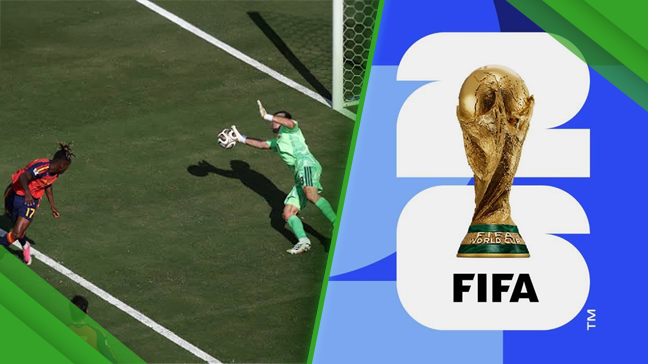
Spain’s 1-0 victory over Argentina in the 2026 FIFA World Cup final will be remembered not only for Ferran Torres’ extra-time winner, but also for a historic halftime show, Emiliano Martínez’s saves, Enzo Fernández’s red card and a chaotic post-match confrontation involving Leandro Paredes.
The 2026 FIFA World Cup final gave viewers far more than a single winning goal. Spain’s 1-0 victory over Argentina at MetLife Stadium became a mix of sport, entertainment, controversy and history — a final that will be remembered as much for its spectacle and tension as for the result itself.
On the pitch, Spain confirmed their status as the best team of the tournament. Ferran Torres scored the decisive goal in the 106th minute, finishing a move that finally broke Argentina’s resistance after more than 100 minutes of Spanish pressure. The goal gave La Roja their second world title and ended Argentina’s attempt to become the first team since Brazil in 1962 to defend the World Cup.
But the final’s most striking football story was Argentina’s attacking collapse. The defending champions failed to register a shot in the opening 90 minutes and did not produce a shot on target until late in extra time. For a team built around Lionel Messi, Julián Álvarez and Lautaro Martínez, the lack of attacking threat became one of the defining statistics of the match.
That Spain needed extra time to score was largely because of Emiliano “Dibu” Martínez. The Argentine goalkeeper produced a remarkable performance, making save after save as Spain continued to attack. Reports credited him with 10 saves in regulation time and 11 overall, a figure described as a record-setting performance in a World Cup final. Even in defeat, Martínez became one of the central characters of the night.
The match also turned against Argentina emotionally. Enzo Fernández was sent off after receiving a second yellow card for a challenge on Pau Cubarsí, leaving Argentina to finish the final with ten men. The dismissal symbolised the frustration of a side that had spent most of the match defending, chasing and trying to survive.
The tension did not end with the final whistle. Post-match scenes turned ugly when Leandro Paredes became involved in a confrontation with Spanish players during the celebrations. Reports described a heated clash with Gavi, after which Paredes was shown a red card. The incident reinforced the image of an Argentine team that had lost control in the final moments of its title defence.
Off the pitch, the final also marked a cultural turning point for FIFA. For the first time, the World Cup final included a major Super Bowl-style halftime show. The performance brought together global names including Shakira, Madonna, BTS and Justin Bieber, turning the match into a full entertainment event aimed at a worldwide audience beyond traditional football fans.
Shakira’s appearance connected the event to the history of World Cup music, while Madonna, BTS and Justin Bieber added different generations and markets to the show’s global appeal. The production reflected FIFA’s effort to make the final not only the biggest match in football, but also one of the biggest entertainment broadcasts in the world.
For some viewers, this expanded spectacle will be remembered positively as a new era for the tournament. For others, it will raise questions about whether football’s biggest game should move closer to the Super Bowl model, with longer breaks, heavier commercialisation and more emphasis on global pop culture.
The contrast between Spain and Argentina made the final even more memorable. Spain represented control, structure and patience. Argentina represented resistance, emotion and eventual frustration. One team left with a second star and a record-breaking defensive campaign; the other left with a historic lack of shots, two red cards and the likely end of Lionel Messi’s World Cup story.
In the long term, this final may be remembered as a turning point for both football and FIFA. On the sporting side, it showed how a disciplined, tactically balanced team can suffocate even the reigning world champions. On the entertainment side, it showed that FIFA is ready to turn the World Cup final into a broader global show. Spain won the trophy, but the night itself became a symbol of where modern football is heading: more tactical, more commercial, more dramatic and more global than ever.
Share

-
 India Cuts $5.56 Billion in Gaming Tax D...Indian tax authorities have reduced tax ...October 19, 2026
 -
 FURIA Win Thunderpick World Championship...Brazilian esports organisation FURIA cla...October 19, 2026
 -
 Kenya Arbitrage Betting Report: October ...WorkBet data dated October 14, 2026 show...October 19, 2026


