


South African Workers Turn to Gambling as Financial Pressure Deepens
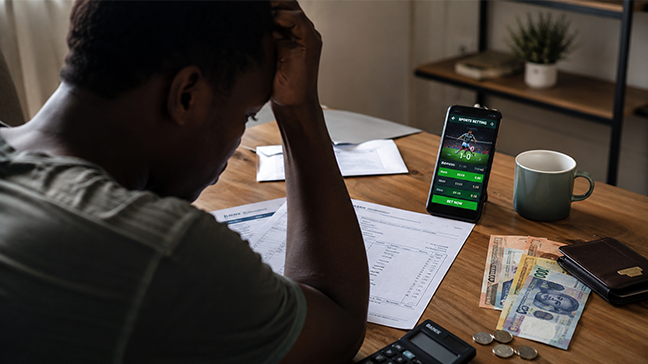
New research from Old Mutual shows that more than half of employed South Africans now use betting to supplement their income, with lower earners most exposed to financial harm.
More than half of employed South Africans now gamble as financial pressure pushes workers to search for extra income.
According to the Old Mutual Savings and Investment Monitor 2026, 53% of employed South Africans aged 18 to 65 and earning at least R8,000 a month are turning to wagering. About 42% say they gamble frequently in the hope of covering expenses or repaying debt.
The trend is strongest among lower-income workers. In the R8,000 to R14,999 monthly income bracket, 54% of respondents said gambling had caused them financial difficulty. Among workers earning R30,000 to R59,999, the figure was 24%.
The findings show how betting is increasingly being used as a financial coping mechanism rather than entertainment. For many households, gambling is becoming a response to debt, rising living costs and limited emergency savings.
That shift creates a serious responsible gambling challenge. Workers who gamble to close budget gaps are more vulnerable to repeated losses, borrowing cycles and deeper financial distress.
For South Africa’s gambling industry, the data arrives at a sensitive time. Regulators and provincial gambling boards are already tightening enforcement against illegal machines and unlicensed gambling, while online betting continues to expand.
The report also raises questions for employers. If more workers are using betting to manage monthly shortfalls, companies may face rising pressure to improve financial wellness programmes, debt counselling and early intervention tools.
For licensed operators, the numbers increase scrutiny around advertising, affordability checks and safer gambling messaging. Promotions that frame betting as a route to financial relief could attract stronger regulatory criticism.
The key concern is not gambling participation alone, but motivation. When betting becomes a substitute for wages, savings or debt support, the risk profile changes sharply.
South Africa’s latest data suggests that gambling harm is no longer only a consumer issue. It is becoming a workplace, household finance and public policy issue.
Share

-
 Buenos Aires Lawmakers Push Comprehensiv...Lawmakers in Buenos Aires Province are r...September 19, 2026
 -
 Philippines Closes More Than 8,000 Merch...More than 8,000 merchant accounts have b...September 18, 2026
 -
 Endorphina Launches Lucky Stamps: A High...Endorphina introduces Lucky Stamps, a ne...September 19, 2026


