


Mozambique Introduces New Online Casino Rules With 26% Local Ownership Requirement
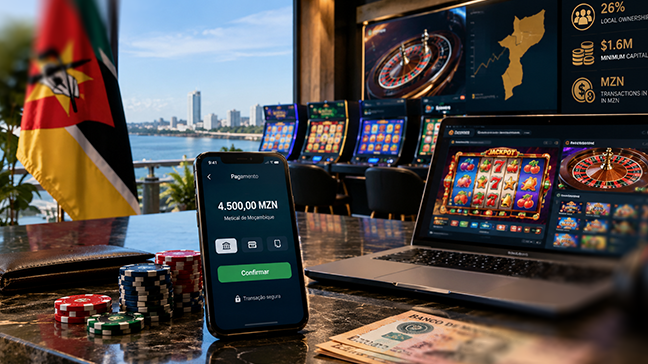
Mozambique has approved a new regulatory framework for online casinos, requiring at least 26% local ownership, minimum capital of approximately $1.6 million and transactions in the national currency. The rules will take effect on November 20, 2026.
Mozambique is preparing to introduce its first dedicated regulatory framework for online casino operations under Decree No. 61/2026, establishing licensing, financial and technological requirements for companies entering the market.
The legislation, scheduled to take effect on November 20, requires online gambling operators to obtain a government concession and operate through companies incorporated under Mozambican law.
At least 26% of an operator's share capital must be held by Mozambican investors, while the minimum share capital is set at approximately 100 million meticais ($1.6 million).
The regulations also introduce strict operational requirements. Licensed platforms must use Mozambique's .mz internet domain, while all gambling-related financial transactions must be conducted in meticais.
Operators will be required to store gambling-related information within Mozambique for at least ten years, including customer account records, betting transactions, winnings, financial transfers and platform access data.
The government is also strengthening enforcement against unauthorised offshore platforms. Under the new framework, telecommunications companies and internet service providers must block access to illegal gambling websites within 48 hours of receiving a regulatory order.
Authorities may additionally restrict payment transactions associated with unlicensed operators, making financial monitoring a central component of the enforcement system.
The new framework represents a significant step towards formal regulation of Mozambique's digital gambling market. For international gaming companies and technology providers, the requirements create a clearer legal structure while introducing substantial investment, localisation and compliance obligations.
The success of the reform will depend on licensing implementation and the authorities' ability to enforce the rules across digital platforms.
Share

-
 Compliance Issues in Relation to Sports ...Sports betting in Ghana is governed by t...October 29, 2026
-
 GR8_TECH Boosts Its Turnkey Solutions wi...GR8_TECH is adding prediction markets to...October 30, 2026
-
 PAGCOR Revenue Falls 23.4% as Philippine...The Philippine gambling regulator PAGCOR...October 30, 2026


