


Mauritius enacts gambling overhaul with new digital licences and tighter betting controls
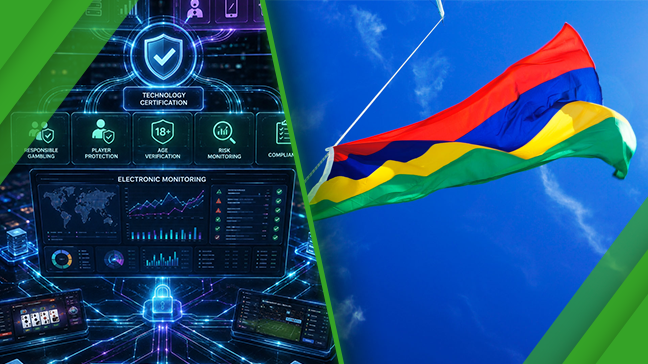
Mauritius has enacted a major reform of its gambling framework, introducing dedicated B2B and B2C interactive gambling licences, mandatory technology certification and stronger electronic monitoring, while expanding responsible-gambling and compliance requirements.
Mauritius has moved its latest gambling reforms from policy proposals into law following the enactment of the Finance Act 2026 (Act No. 14 of 2026). The legislation was passed by the National Assembly on July 31, received presidential assent on August 12 and was gazetted on August 13. Section 6 introduces extensive amendments to the Gambling Regulatory Authority Act, although several important provisions will be phased in during 2027 rather than taking effect immediately.
One of the most significant changes is the creation of separate B2B and B2C interactive gambling licences. The B2B category covers companies supplying interactive gambling products, technology or services to licensed consumer-facing businesses, while the B2C category applies to operators providing interactive gambling services directly to customers. Applicants for an interactive gambling licence must be companies incorporated in Mauritius and meet the applicable regulatory and fee requirements.
The new framework sets an annual fee of €30,000 plus 3% of gross gambling yield for B2C licences, while B2B licences carry an annual fee of €20,000. Ancillary-service licences are set at €5,000 annually, and applications for interactive gambling licences are subject to a non-refundable €5,000 processing fee. The measures formalise a clearer separation between operators and technology suppliers within the digital market.
Betting technology will also come under tighter supervision. Suppliers providing betting platforms to licensed bookmakers will themselves require authorisation from the Gambling Regulatory Authority, with that requirement scheduled to apply from March 1, 2027. Betting servers and terminals must be connected to regulatory monitoring infrastructure, allowing continuous online recording and greater real-time visibility over transactions. Mauritius Revenue Authority has already been developing its Central Electronic Monitoring System for continuous monitoring of betting activity.
Technical certification is another major element of the reform. Betting and gaming software used to record transactions must be certified by a recognised gaming laboratory and registered with the Authority. Digital games and the platforms supporting them will similarly require certification from an accredited independent laboratory approved by the regulator. The government had identified these controls in its 2026/27 Budget programme as part of a wider effort to strengthen the integrity of gaming devices and digital systems.
The legislation also strengthens the institutional and player-protection side of regulation. The GRA is being reorganised around dedicated functions including licensing and supervision, inspections and enforcement, AML/CFT, information technology and innovation, and responsible gambling and communications. New requirements also reinforce self-exclusion and responsible-gambling responsibilities for operators.
Separate reforms adopted earlier in 2026 have already tightened controls on cash betting. Cash wagers above MUR50,000 are prohibited unless made through a player card or approved electronic payment method, while cash betting is prohibited entirely in casinos and Gaming House A establishments. Licensees must also have controls designed to prevent customers from splitting transactions to circumvent the limits.
Further licensing changes will apply from July 1, 2027, including timelines for processing complete applications and stricter rules for renewals. The overhaul also removes the previous separate legal framework for hotel casinos and imposes additional limits on limited payout machine operations. Taken together, the reforms represent a substantial shift toward technology-based supervision, clearer licensing of the digital supply chain and stronger compliance controls. For the industry, however, the key distinction is that Mauritius has now enacted the framework while parts of its practical implementation remain scheduled for 2027.
Share

-
 SOFTSWISS Panel: The Real Cost of Enteri...SOFTSWISS, a global strategic technology...October 10, 2026
 -
 AffPapa’s Biggest Affiliate-led Conferen...AffPapa is excited to announce the next ...October 9, 2026
 -
 Amigo Gaming Launches Fortune Spores: Fo...Amigo Gaming has released Fortune Spores...October 9, 2026


