


Lula urges Brazil to move toward banning “digital casinos,” citing “Fortune Tiger” harm in Women’s Day address
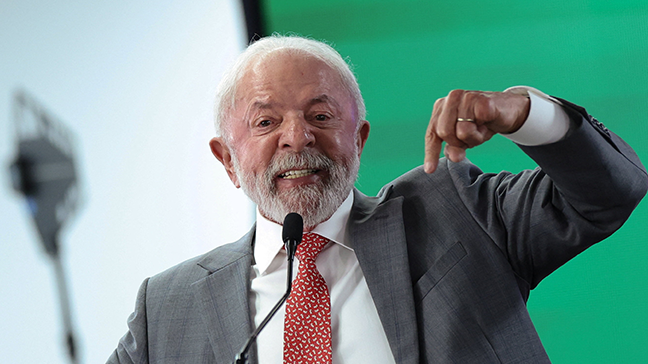
In a national radio and TV message aired on March 7 ahead of International Women’s Day, the Brazilian president said it “makes no sense” to keep land-based casinos banned while allowing slot-style games such as the so-called “Jogo do Tigrinho” to spread on mobile phones, and signaled support for legislation to stop virtual gaming platforms.
Brazilian President Luiz Inácio Lula da Silva used a national radio and television broadcast on March 7—aired ahead of International Women’s Day (March 8)—to back the development of legislation that would prohibit the operation of “digital casinos” and virtual gaming platforms in the country, explicitly referencing the highly popular slot-style game commonly known in Brazil as “Jogo do Tigrinho” (often linked in reporting to “Fortune Tiger”).
In the speech, Lula argued that Brazil’s long-standing prohibition on land-based casinos creates an inconsistency if casino-like games are freely accessible on smartphones, and he framed the issue as a household financial harm problem. He said that while many of those who develop addiction may be men, the consequences often fall on women, when money intended for essentials—such as food, rent and children’s expenses—“disappears” into betting and gaming on a phone.
The president also signaled a broader political push, stating that his administration would work in coordination with Congress and the judiciary to prevent these platforms from continuing to “indebt families and destroy homes,” language that positions the topic beyond regulation and closer to a potential prohibition path for certain verticals.
The intervention is notable because Brazil has been moving in the opposite direction on parts of the market: regulated online sports betting has been built out under legislation signed at the end of 2023, and the regulated market has been operating since January 2025, according to industry reporting. That makes Lula’s latest messaging a sign of renewed political pressure—not necessarily against betting as a whole, but specifically against casino-style games that policymakers and consumer advocates associate with rapid-loss mechanics and higher addiction risk.
If the government’s rhetoric turns into a concrete legislative proposal, the next key question will be scope: whether lawmakers target only “slot” style apps like “Tigrinho/Fortune Tiger,” or pursue a wider definition of “digital casinos”—a choice that could reshape Brazil’s iGaming landscape just as the broader regulated betting framework is still maturing.
Share

-
 Global Esports Federation Chief Visits K...Global Esports Federation President and ...September 12, 2026
 -
 Nigerian Bookmakers and African iGaming ...The Association of Nigerian Bookmakers a...September 12, 2026
 -
 Brazilian Presidential Candidates Split ...Brazil's regulated betting market has be...September 11, 2026


