


Kenya holds high-level gambling reform talks with regulators and operators

Kenya’s Head of Public Service, Felix Koskei, has met regulators and gaming industry representatives as the country moves deeper into a major reform cycle focused on regulatory stability, responsible gambling and ethical conduct.
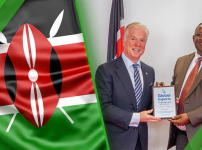
Kenya’s Chief of Staff and Head of the Public Service, Felix Koskei, has held high-level talks with regulators and gambling industry players in Nairobi as the government continues to reshape the country’s gaming sector. The May 6 meeting brought together the Board of the Betting Control and Licensing Board, which is transitioning into the Gambling Regulatory Authority, and representatives of the Association of Gaming Operators in Kenya.
The discussions focused on ethical standards, responsible operations and the need for a predictable regulatory environment. For Kenya, this is an important stage in the implementation of the Gambling Control Act, 2025, which created the Gambling Regulatory Authority of Kenya and established a new legal framework for betting, casinos, lotteries and other forms of gambling.
The Act gives the national government broad powers to regulate the gambling industry, license online gambling, conduct due diligence, enforce compliance and carry out anti-money laundering risk-based inspections. It also defines the GRA as the successor to the former BCLB, marking one of the biggest structural changes in Kenya’s gambling regulation in decades.
The talks also come as Kenya prepares to operationalise a new set of Gambling Control Regulations for 2026. The GRA has already published draft regulations covering licensing, conduct of gambling operations, the national lottery, advertising, the gambling appeals tribunal and foreign-facing operators. These rules are expected to define how the new authority supervises both retail and digital gambling activity.
For operators, the reform process is both an opportunity and a concern. Industry representatives have warned that new licensing fees, compliance requirements and tax-related obligations could increase costs for smaller companies and potentially push some activity into the black market if the rules are too heavy. AGOK has already raised concerns that the next layer of regulation may squeeze smaller operators and reduce competition in the legal market.
At the same time, the government is presenting the reform agenda as a way to bring more order, accountability and investor confidence to the sector. The GRA’s legal functions include developing standards, issuing licences, maintaining registers of gambling devices and licensed activities, establishing a real-time electronic monitoring system and coordinating research into the social and economic effects of gambling.
The May 6 engagement therefore signals that Kenya wants to avoid a purely punitive approach and instead build a more stable dialogue between the state and licensed operators. The main challenge will be balance: protecting players and public revenue while keeping the regulated market attractive enough for compliant companies to remain inside the legal system.
Share

-
 Arsenal Stay Perfect as Brighton Run Rio...Arsenal maintained their perfect start t...September 14, 2026
 -
 SBC Summit’s Web3 & Crypto Academy to Ex...SBC Summit will move beyond the hype sur...September 14, 2026
 -
 Global Esports Federation Chief Visits K...Global Esports Federation President and ...September 12, 2026


