


Kenya GRA Unveils Digital Gambling Management System for Real-Time Oversight
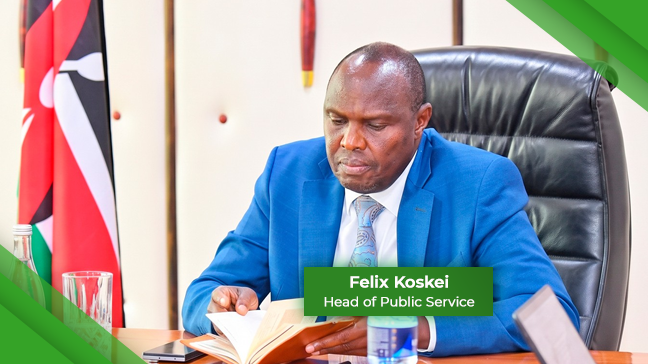
Kenya’s Gambling Regulatory Authority has presented a new digital Gambling Management System designed to centralise licensing, strengthen compliance and give regulators real-time visibility over licensed gambling activity.
Kenya’s Gambling Regulatory Authority has unveiled a digital Gambling Management System that could become one of the most important tools in the country’s new gambling regulatory framework.
The system was presented to Head of Public Service Felix Koskei during a meeting with the Authority’s board and management. Once operational, it is expected to allow regulators to monitor licensed gambling activities in real time while moving licence applications and renewals onto a single online platform.
The reform is part of the implementation of the Gambling Control Act, 2025, which replaced the former Betting Control and Licensing Board with the new Gambling Regulatory Authority. The change marks Kenya’s shift toward a more centralised, technology-driven model of gambling supervision.
According to reports on the presentation, the platform will cover licensed betting, casino and lottery operators. It is intended to strengthen compliance, improve accountability and support faster enforcement when operators breach regulatory requirements.
For operators, the new system means licensing and renewals should become more digital and structured. Instead of relying on fragmented or manual processes, applications will be handled through an online framework, giving the Authority better control over documentation, approvals and compliance records.
For the regulator, the main value is visibility. Real-time monitoring can help detect irregular activity, improve transaction oversight and reduce the gap between operator activity and regulatory response. This is especially important in Kenya, where mobile betting has grown faster than traditional oversight tools.
The system also supports broader player-protection reforms under the new law. Kenya’s updated framework includes mandatory age verification using a national identity card or passport, self-exclusion mechanisms, ring-fenced player accounts, equipment certification and stricter advertising rules.
These measures show that Kenya is not only digitising licensing. It is trying to connect licensing, compliance, consumer protection and enforcement into one more coherent regulatory architecture.
The timing is important. Kenya has been moving quickly to overhaul its gambling market, with new rules covering domestic operators, foreign-based operators, advertising, conduct of operations and player protection. At the same time, parts of the new licensing framework have faced legal scrutiny, making implementation and transparency especially important.
If the Gambling Management System works as intended, it could improve revenue assurance, reduce underage gambling risks and give the GRA a stronger basis for enforcement. It could also help licensed operators by creating clearer procedures and reducing uncertainty around applications and renewals.
The challenge will be execution. Real-time monitoring depends on reliable data integration, secure systems, operator cooperation and strong technical capacity inside the regulator. Without consistent enforcement, even the most advanced digital platform can become a compliance formality.
For now, the direction is clear: Kenya is building a more digital gambling regulator. The GMS signals that future market access will depend not only on holding a licence, but on giving the Authority continuous, verifiable visibility into gambling operations.
Share

-
 Global Esports Federation Chief Visits K...Global Esports Federation President and ...September 12, 2026
 -
 Nigerian Bookmakers and African iGaming ...The Association of Nigerian Bookmakers a...September 12, 2026
 -
 Brazilian Presidential Candidates Split ...Brazil's regulated betting market has be...September 11, 2026


