


Kenya consumer lobby opposes proposed 20% gambling winnings tax
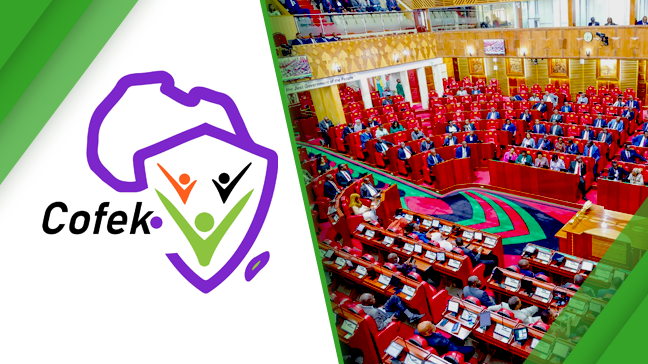
The Consumers Federation of Kenya has urged Parliament to rethink the proposed 20% tax on gambling winnings, warning that the measure could raise the burden on players, weaken consumer protection and push betting activity toward unlicensed platforms.
The Consumers Federation of Kenya has opposed parts of the Finance Bill 2026 affecting the gambling sector, including the proposed 20% withholding tax on winnings. In its submissions to the National Assembly, COFEK warned that the planned rate would place a heavy burden on individual players when combined with other gambling-related charges already applied in Kenya.
The consumer lobby argued that the 20% rate is among the highest applied to individual players globally. It said the proposed winnings tax, together with deposit excise under the Excise Duty Act and licensing levies under the Gambling Control Act 2025, could create a cumulative tax burden that discourages use of licensed platforms.
COFEK warned that this could produce the opposite of the government’s intended effect. Instead of improving tax collection and oversight, a heavier tax structure could push players toward offshore or illegal betting platforms that do not follow local consumer-protection rules. The group said this would undermine Kenya’s regulated gambling framework and reduce the visibility of player activity.
The organisation did not call for the complete removal of tax on winnings. Instead, COFEK recommended reducing the proposed rate to 10% and applying it only above a minimum threshold of KES 10,000 per winning event. This approach, it argued, would protect small-scale players while still allowing the government to collect revenue from higher-value gambling gains.
The proposal has also faced resistance from Kenya’s Gambling Regulatory Authority. The GRA told MPs that the return of a 20% withholding tax on winnings would be difficult to enforce and could complicate the current tax system, especially after Kenya moved in 2025 toward a model based on betting and gaming wallet withdrawals.
The Finance Bill 2026 was tabled in Parliament on April 30 and opened for public participation on May 11, with submissions closing on May 25. The bill forms part of Kenya’s wider effort to raise additional revenue, but gambling taxation has become one of the more contested areas because of its possible impact on licensed operators, players and market channelisation.
For Kenya’s gambling market, the dispute shows the tension between revenue collection and consumer protection. A 20% tax could increase short-term government collections, but if it drives players away from regulated platforms, it may weaken oversight and reduce long-term compliance. Parliament will now have to decide whether to keep the proposal, reduce the rate or redesign the tax to avoid pushing consumers toward the illegal market.
Share

-
 SOFTSWISS Survey 2026 Exposes a Gap in S...A new survey of 1,000 South African adul...September 17, 2026
 -
 GRAF 2026 Puts AI, Real-Time Monitoring ...Gaming regulators from across Africa hav...September 17, 2026
 -
 Blackjack Live Leads Amusnet’s Showcase ...From September 29 to October 1, Amusnet ...September 17, 2026


