


FIFA Forward Enterprise Plan Sparks Backlash Over World Cup Commercial Rights
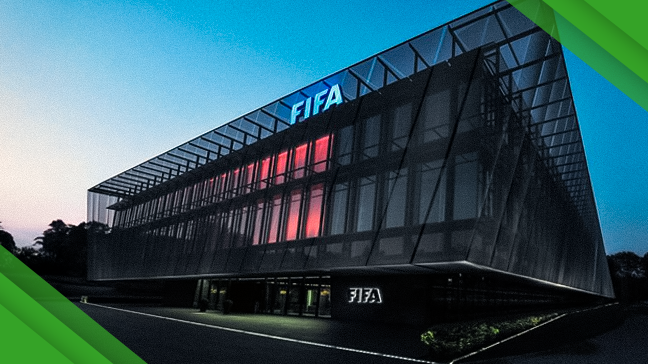
FIFA’s proposal to create a new commercial structure for its global tournaments has triggered criticism from UEFA and Concacaf over governance, transparency and private capital.
FIFA is facing backlash after unveiling plans for FIFA Forward Enterprise, a new commercial structure that could bring private investors closer to the business of the World Cup and other major FIFA tournaments.
FIFA presents the plan as a way to expand global football development funding. Under the proposal, payments to member associations could rise from $8 million to $20 million for the 2027–2030 cycle.
To finance that increase, FIFA wants to unlock more value from its tournament portfolio, including broadcast rights, sponsorship, ticketing, licensing and event operations. Reports describe the proposed structure as a commercial entity valued at around $20 billion, with FIFA potentially raising more than $4 billion from minority investors.
FIFA says it would keep control over sporting decisions, including competition formats, rules and the international match calendar. The organisation argues that the project is about commercial growth and development funding, not selling control of football.
UEFA has strongly rejected that framing. The European governing body warned that the proposal crosses a line, arguing that the governance and identity of football should not become tradeable assets.
Concacaf also criticised the process, raising concerns about transparency and consultation. The reaction is especially notable because the confederation has just hosted the 2026 World Cup across the United States, Canada and Mexico.
The controversy intensified because the investor structure is expected to involve Thrive Eternal, linked to Joshua Kushner, while JPMorgan has been named as an adviser. That has raised questions about whether FIFA is opening the commercial future of the World Cup to private capital without enough scrutiny.
The main concern is not simply that FIFA wants to raise money. The issue is what private investors may expect in return. Even without direct control over sporting decisions, investors would have a financial interest in maximising tournament revenue.
That could increase pressure around ticket prices, sponsorship packages, broadcast rights, tournament expansion, calendar congestion and fan data. Critics fear that commercial incentives may gradually shape decisions that should remain rooted in sporting governance.
For smaller national associations, the offer is attractive. A jump to $20 million in FIFA funding could be significant, especially for federations that rely heavily on development money. But critics argue that such payments could make it harder for associations to oppose the plan.
For the sports business and betting sectors, FIFA Forward Enterprise is a major signal. The World Cup is increasingly being treated not only as a sporting event, but as a long-term financial asset linked to media rights, sponsorship, ticketing, digital platforms and fan engagement.
That matters for gambling, integrity and regulation. As football becomes more financialised, regulators and industry stakeholders will watch whether commercial pressures begin to affect match calendars, tournament formats, data access and betting-related commercial models.
The proposal is not final. FIFA has started consultations and will need support from member associations. But the reaction from UEFA and Concacaf shows that the project has already become one of the biggest governance disputes in global football after the 2026 World Cup.
The dispute now centres on one question: can FIFA bring private capital into its commercial structure without weakening trust in how football is governed? If it cannot, FIFA Forward Enterprise may become a defining battle over who controls the future of the World Cup.
Share

-
 Global Esports Federation Chief Visits K...Global Esports Federation President and ...September 12, 2026
 -
 Nigerian Bookmakers and African iGaming ...The Association of Nigerian Bookmakers a...September 12, 2026
 -
 Brazilian Presidential Candidates Split ...Brazil's regulated betting market has be...September 11, 2026


