


Cape Verde Goalkeeper Vozinha Turns World Cup Exit Into a Career-Defining Success Story
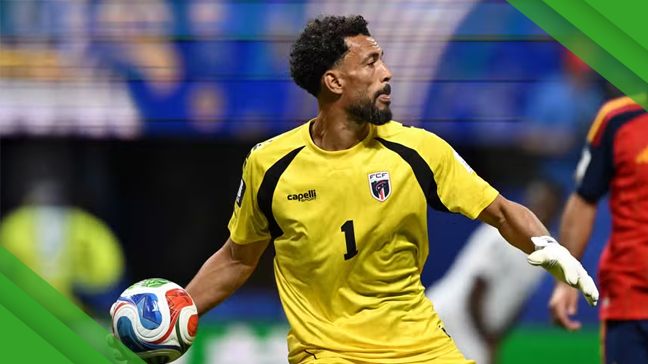
Cape Verde’s World Cup debut ended in defeat against Argentina, but 40-year-old goalkeeper Vozinha left the tournament as one of its most inspiring figures after turning a modest international profile into global recognition.
Cape Verde’s historic FIFA World Cup 2026 campaign may have ended in the Round of 32, but goalkeeper Vozinha has become one of the most memorable stories of the tournament. At 40 years old, the veteran shot-stopper transformed a debut appearance for one of the competition’s smallest nations into a personal triumph watched around the world.
Before the tournament, Vozinha was known mainly to followers of African football and Portugal’s lower leagues. His career had taken him from Cape Verde to Angola, Moldova, Portugal, Cyprus and Slovakia, far from the commercial spotlight of Europe’s biggest championships. But on the World Cup stage, his experience, reflexes and leadership became central to Cape Verde’s remarkable run.
The first major breakthrough came against Spain. In Cape Verde’s opening group match, the debutants held the European heavyweight to a 0-0 draw, with Vozinha producing a series of key saves and earning Player of the Match recognition. It was more than a defensive performance; it was the moment when Cape Verde announced itself as a serious and disciplined team capable of competing against elite opponents.
That match also changed Vozinha’s public profile almost overnight. Reports said he entered the Spain game with around 50,000 Instagram followers, but within an hour his audience had climbed to about 1.5 million. After Cape Verde’s dramatic World Cup run and his heroic display against Argentina, several sports outlets reported that his following had surged past 20 million, turning him from a little-known veteran into one of the most followed goalkeepers in the world.
The emotional side of the story made his rise even more powerful. Vozinha had openly said that his biggest wish at the World Cup was for his mother, Ana Candida Evora, to see him play. She was unable to attend the Spain match because of the cost linked to a US visa bond payment, forcing her to watch his heroics from afar. After the story gained attention, US officials, the government of Cape Verde and FIFA helped resolve the issue, with fees waived and travel arrangements made so she could attend a later match in Miami.
Cape Verde then continued its unbeaten group-stage run with draws against Uruguay and Saudi Arabia, results that were enough to send the Blue Sharks into the knockout stage. For a country with a population of just over half a million people, qualification from the group on a World Cup debut became a national football milestone.
Vozinha’s defining performance came against Argentina. Facing the defending champions and Lionel Messi, Cape Verde pushed one of the tournament favourites into extra time before losing 3-2. The scoreline ended the dream, but the match strengthened Vozinha’s status. He made several crucial saves, including repeated stops against Messi, and helped turn what many expected to be a routine Argentina win into one of the most dramatic games of the knockout stage.
By the time Cape Verde left the tournament, Vozinha had become more than a standout player. He had become a symbol of persistence, late recognition and national pride. His mother’s journey to watch him play, the explosion of his social media following and his performances against football giants turned his World Cup into a rare story where elimination still felt like victory.
For Cape Verde, this World Cup was never only about results. The team did not record a victory, but it earned global respect through organization, courage and competitiveness. Vozinha embodied that identity: a veteran who had spent years outside the spotlight, only to deliver the best-known performances of his career at the age when many goalkeepers are already retired.
His success also carries a wider message for African football. Cape Verde’s run showed how smaller national teams can use diaspora networks, discipline and experienced leadership to compete with global powers. For players from less visible leagues, Vozinha’s story proves that the World Cup remains a platform capable of changing reputations almost overnight.
The goalkeeper now leaves the tournament with a far higher international profile and renewed attention from fans, media and potentially clubs. Whether or not this turns into a major move, the legacy is already clear: Vozinha and Cape Verde turned elimination into recognition, and a narrow defeat to Argentina into one of the great underdog stories of World Cup 2026.
Share

-
 Tech Race Summit Unites 1,500 iGaming an...Tech Race Summit 2026 brought iGaming an...September 14, 2026
 -
 Kenya Arbitrage Betting Weekly Report: S...WorkBet statistics for September 7-13, 2...September 14, 2026
 -
 Gaming in Spain Conference announces age...With far-reaching regulatory innovations...September 14, 2026


