


Brazil’s Bets Law faces new political pressure as Congress moves to rewrite gambling rules
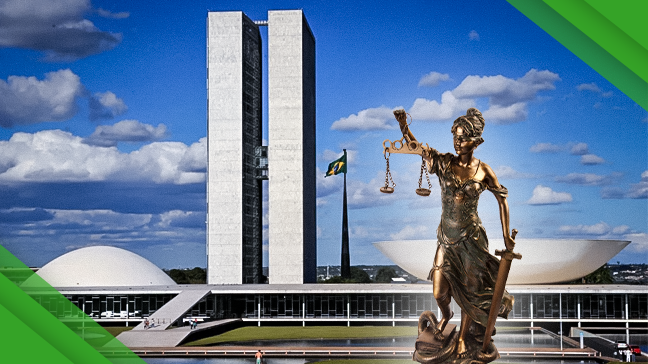
Two new bills filed on May 19 have intensified pressure on Brazil’s regulated betting framework, with lawmakers seeking tougher rules on advertising, licensing, consumer protection and gambling-harm prevention ahead of the election cycle.
Brazil’s regulated betting market is facing a new wave of political pressure as lawmakers move to rewrite parts of the country’s current gambling regime. On May 19, two new proposals — Bills No. 2,470/2026 and 2,478/2026 — were filed in Congress, aiming to impose tighter controls on online betting, marketing, consumer safeguards and harm prevention.
The proposals come only 17 months after Law No. 14,790/2023, known as the Bets Law, became the main legal framework for fixed-odds betting and online gaming in Brazil. The law defines fixed-odds betting, online games, operators and electronic betting channels, and created the basis for the country’s regulated federal market.
The new bills do not represent a simple technical adjustment. According to industry reporting, they reflect a broader political shift in Brasília, where support for the current Bets Law has weakened across ideological lines. Lawmakers from different parties are now using the gambling debate to address concerns over household debt, consumer vulnerability, advertising pressure and the social impact of betting ahead of the October election period.
Bill No. 2,478/2026 focuses on protecting mental health, consumers and family finances in the fixed-odds betting and online gaming environment. Its text proposes stronger rules on marketing communication, sponsorship and the design of high-risk products, arguing that self-regulatory initiatives adopted by the industry remain insufficient given the scale of health, social and economic concerns linked to online betting.
The legislative pressure is also being reinforced by more aggressive proposals. PT deputy Pedro Uczai’s Bill No. 1,808/2026 seeks to go much further by banning betting operations and advertising, effectively dismantling central parts of the current framework. Other proposals have targeted cashback, VIP programmes, gamified engagement tools and national betting advertising, showing that the debate now extends beyond licensing into product design and customer retention practices.
President Luiz Inácio Lula da Silva has also hardened his position on the sector. He has indicated support for measures that would prevent indebted people and beneficiaries of public financial assistance from accessing betting platforms. This agenda connects gambling regulation with wider social policy, especially concerns that online betting may be draining income from low-income households.
For licensed operators, the political climate creates major uncertainty. Brazil’s market only recently moved from a grey offshore environment into a formal licensing system, but operators now face the possibility of stricter advertising limits, tougher consumer checks, new exclusion rules and potentially higher political risk around future licences.
The most likely outcome may not be a full ban, but a negotiated overhaul. With elections approaching, gambling has become a bargaining issue between political blocs, rather than a purely regulatory discussion. For Brazil’s betting sector, the next months could determine whether the Bets Law survives in its current form or is replaced by a more restrictive model built around public health, consumer debt and political compromise.
Share

-
 Global Esports Federation Chief Visits K...Global Esports Federation President and ...September 12, 2026
 -
 Nigerian Bookmakers and African iGaming ...The Association of Nigerian Bookmakers a...September 12, 2026
 -
 Brazilian Presidential Candidates Split ...Brazil's regulated betting market has be...September 11, 2026


