


African Teams Make Their Mark in the First Week of World Cup 2026
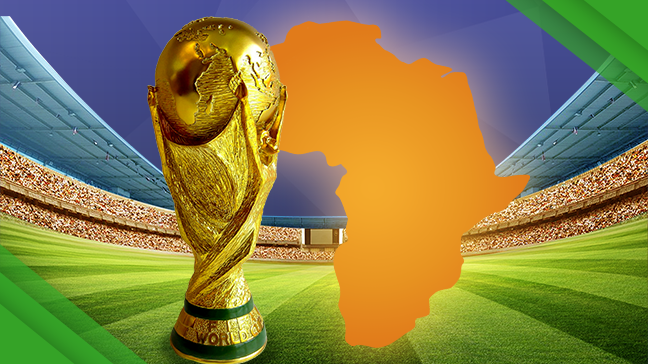
The first week of the 2026 FIFA World Cup has shown that African teams are not only competing for participation, but also shaping the tournament’s early storylines with disciplined performances, historic moments, late goals and strong cultural visibility.
The first week of the 2026 FIFA World Cup has delivered a mixed but highly visible start for African football. Some teams suffered difficult defeats, others earned important points against elite opponents, and several representatives of the continent showed that the expanded 48-team format could give African sides more room to influence the group stage.
One of the most symbolic results came from DR Congo, which held Portugal to a 1-1 draw in Group K. Portugal entered the match as one of the stronger European sides, but DR Congo responded with resilience and physical intensity after conceding early. Yoane Wissa’s equaliser before half-time gave the team a historic World Cup moment and immediately turned the match into one of the key African stories of the opening week.
DR Congo also became one of the most discussed teams beyond the pitch. Before its first match, the squad appeared in Houston wearing custom black suits with leopard-print details, a reference to the team’s nickname, “The Leopards,” and to Congolese cultural identity. The look, designed by Congo-born creative Alvin Junior Mak, quickly attracted attention on social media and was widely discussed as one of the strongest fashion moments of the tournament’s opening days. Beyond style, the outfit carried symbolic meaning: DR Congo returned to the World Cup stage after more than five decades, and the leopard motif became a statement of pride, history and confidence before the team even played.
Ghana also made a strong start, beating Panama 1-0 in Group L. The match looked set to end without a breakthrough, but Caleb Yirenkyi scored a late winner to give Ghana three valuable points. In a group that also includes England and Croatia, that result could become extremely important when qualification scenarios begin to tighten.
South Africa’s first week was more complicated, but still left the team alive. Bafana Bafana opened the tournament with a 2-0 defeat to host nation Mexico, then recovered to draw 1-1 with Czechia. Teboho Mokoena’s late penalty gave South Africa its first point of the tournament and kept its hopes alive before a decisive final group match against South Korea.
North African teams also produced important storylines. Morocco held Brazil to a 1-1 draw, showing again that its 2022 semi-final run was not an isolated achievement. Against one of the most talented squads in world football, Morocco stayed organised, competitive and confident, reinforcing its status as one of Africa’s most reliable tournament teams.
Egypt came close to making history against Belgium. Emam Ashour’s first-half goal put the Pharaohs ahead, but Belgium equalised in the second half after Romelu Lukaku’s introduction helped force a Mohamed Hany own goal. The 1-1 draw still gave Egypt a valuable point and showed that the team can compete with one of Europe’s most experienced squads.
Cape Verde also produced one of the most disciplined results of the first week by holding Spain to a 0-0 draw. For a team with limited World Cup history, avoiding defeat against a title contender was a major statement. The result also highlighted how the new format can give smaller football nations a realistic path to stay competitive deep into the group stage.
Côte d’Ivoire started with a 1-0 win over Ecuador, a result that immediately strengthened its position in Group E. After a long absence from the World Cup, the Ivorian team returned with a victory that added to a wider feeling that African sides are arriving better prepared tactically than in some previous tournament cycles.
Senegal and Algeria faced two of the toughest opening tests. Senegal lost 3-1 to France, but the match still showed the physical level and competitive intensity of one of Africa’s most respected teams. Algeria, meanwhile, fell 3-0 to defending champions Argentina, a difficult result that leaves little margin for error in the rest of the group stage.
Tunisia had the hardest start among the African teams, losing 5-1 to Sweden. The result exposed defensive weaknesses and created immediate pressure before the next fixtures. However, the expanded tournament format means even teams with heavy opening defeats may still have a route back if they respond quickly.
Overall, Africa’s first week at the 2026 World Cup has been defined by contrast: historic points, disciplined draws, narrow wins, painful defeats and signs of real competitive progress. DR Congo, Morocco, Cape Verde, Egypt and South Africa showed resilience against strong opposition, while Ghana and Côte d’Ivoire turned tight matches into victories.
For the sports and betting industries, African teams are becoming especially important to watch. Their results are affecting group-stage odds, live betting markets, fan engagement and regional media interest. The first week also showed that African teams can shape the World Cup narrative beyond the pitch, with DR Congo’s leopard-inspired arrival proving how football, fashion and national identity can become part of the tournament’s global conversation.
As the second week begins, Africa’s representatives have already shown that they can disrupt expectations and make the expanded World Cup more open, emotional and unpredictable.
Share

-
 Brazil Blocks More Than 66,000 Illegal B...Brazil's Secretariat of Prizes and Betti...September 15, 2026
 -
 Mancala Gaming Launches Clover Vault: Pr...Mancala Gaming introduces Clover Vault: ...September 15, 2026
 -
 BF Games Heads to SBC Summit Lisbon 2026...BF Games will attend SBC Summit Lisbon 2...September 15, 2026


